


 to add an item to your Itinerary basket.

.png)



(1).png)

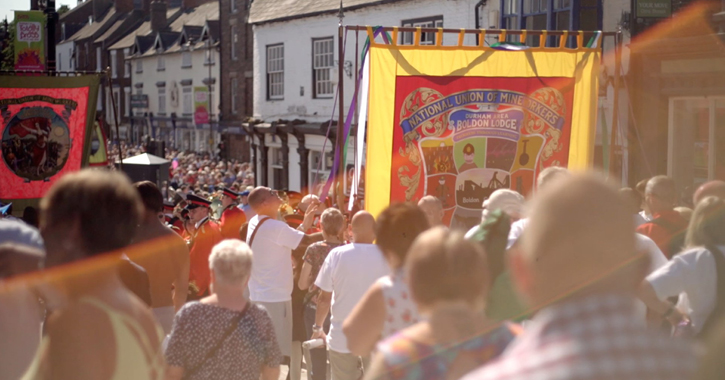
The 140th Durham Miners' Gala aka ‘The Big Meeting’ returns to Durham City on Saturday 11 July. The annual gathering has been held on the second Saturday of July in Durham City since 1871 and this weekend as always promises to be another fantastic event.
In the 1800’s Durham was the leading producer of coal in England, firing the Industrial Revolution and whilst Durham’s landscape today shows little signs of this once extensive industry, the heritage of coal is still very much alive in our county.
There’s a vast array of award-winning attractions throughout Durham which celebrate our proud mining past, so why not pop in and see one whilst in Durham for the Big Meeting?!
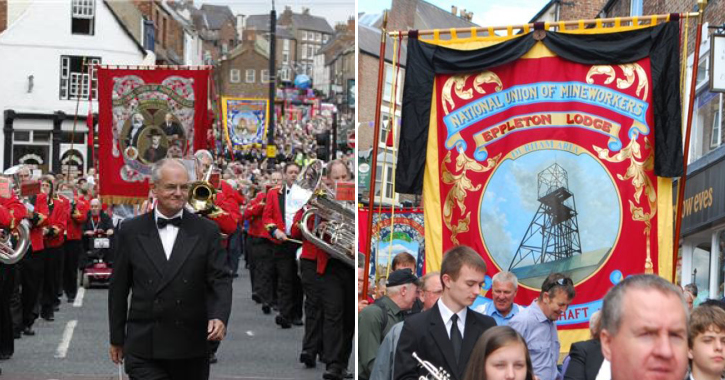
Durham Miners' Gala - The Big Meeting
Soak up the atmosphere as the Durham City’s streets burst to life with music and colour as the traditional colliery bands march towards the Racecourse with their beautiful miner’s banners. After the parade, enjoy an afternoon of entertainment, speeches and delicious food and drink down on the riverbanks.
Hosted by the Durham Miners Association (DMA) since 1871, the Gala is the world's greatest celebration of community, international solidarity, and working class culture. A generation on from the colliery closures, more than 60 Durham miners banners and over 50 brass bands participated in last year's event, with over 200,00 people attending.
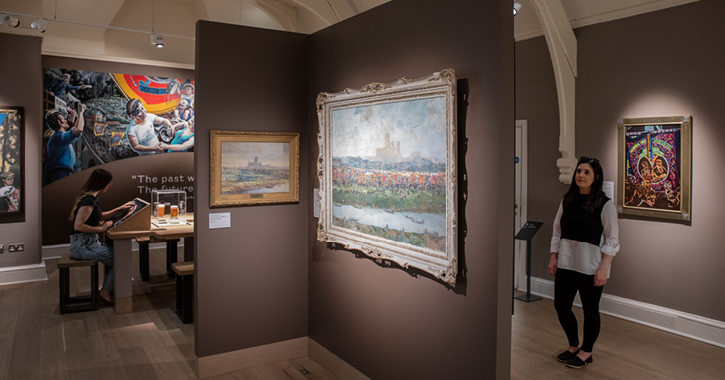
The Mining Art Gallery
The Mining Art Gallery in Bishop Auckland is the first permanent gallery dedicated to Mining Art in the UK. The gallery, part of The Auckland Project, is home to the renowned Gemini Collection of Mining Art, which includes works by prominent local artists such as Tom McGuinness and Norman Cornish.
Visitors can enjoy the gallery’s newest special exhibition - Tom McGuiness: Out of Darkness. This exhibition celebrates the centenary of acclaimed mining artist Tom McGuinness, whose powerful works capture the realities of life in the county's coal mines. Drawing on his own experiences as a miner, McGuinness went beyond documenting the industry to convey the emotions, challenges and resilience of mining communities.
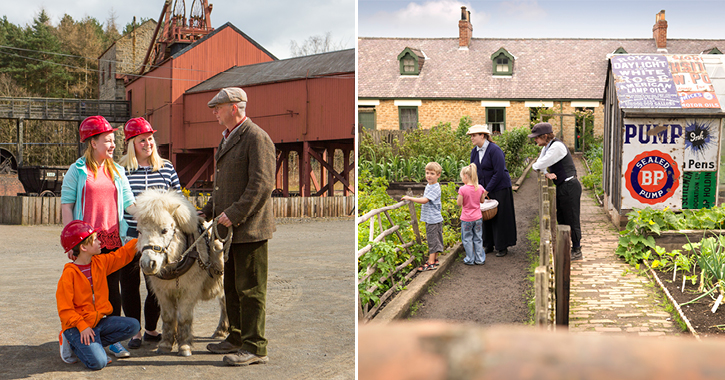
Beamish – The Living Museum of the North
No recreation of the history of North East England would be complete without paying homage to the people who worked down the pits. At Beamish Museum visitors can experience what life was like for miners and their families in the 1900s at Beamish Museum’s 1900s Pit Village and Colliery.
Explore the miners cottages, try delicious fish and chips at Davy’s Fried Fish Shop, cooked the traditional way in coal-fired ranges using beef dripping or take a trip down the drift mine and experience the reality of a miners life underground.
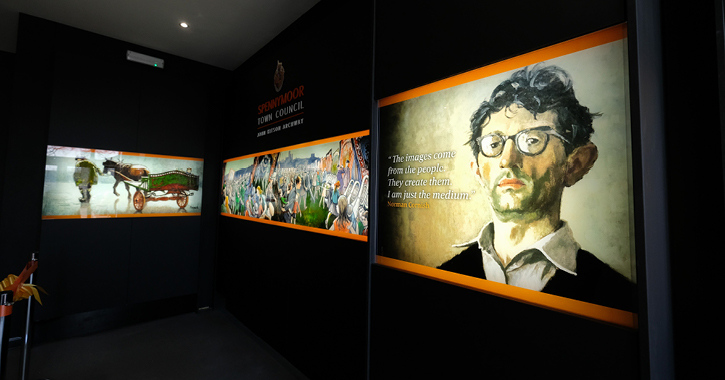
Durham Mining Museum
Spennymoor Town Hall, in the Vale of Durham houses the Durham Mining Museum, a dedicated memorial to the works and lives lost during the mining period across the county. Visitors can view mining artefacts and models of mining machinery as well as experience working conditions of miners in a simulated underground coalface and tunnel.
The Town Hall also hosts a large permanent collection of Spennymoor’s most famous artist’s work; Norman Cornish. The Coming Home exhibition features a selection of original pieces of his work, some never seen before loaned by Northumbria University, the Town Council and the Cornish Family. There is also a large selection of original work by Norman Cornish for sale.
Visitors to Spennymoor can also follow in the footsteps of Norman Cornish and explore his home town on the Norman Cornish Art Trail.
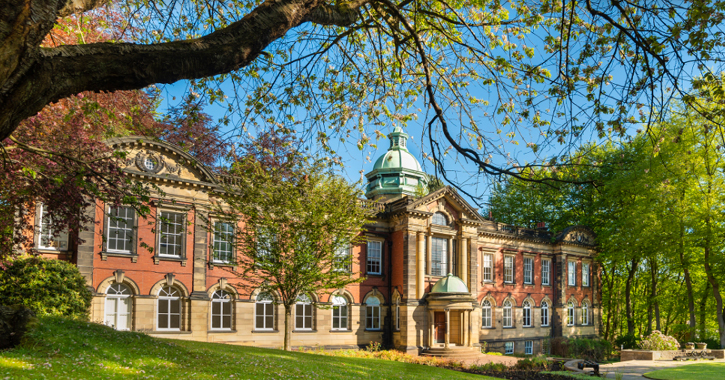
Redhills
Redhills is the Miners Hall in Durham City and is known as one of the finest trade union buildings in Britain and is still the headquarters of the Durham Miners Association today. Once known as the ‘pitman’s parliament’.
Redhills is now open following extensive restoration and renewal. Redhills regularly hosts community and cultural events, including live music and lectures, as well as guided tours around this fascinating building.
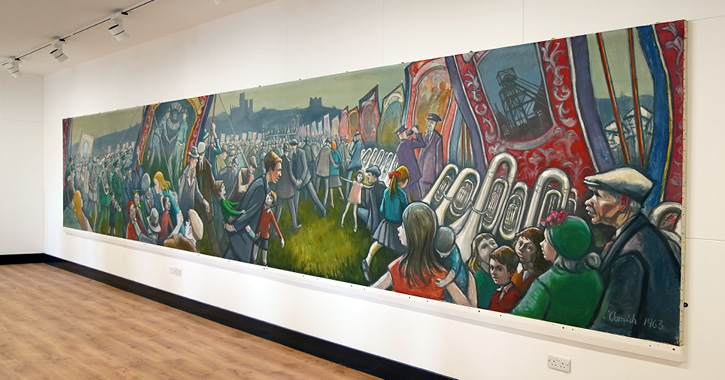
Bishop Auckland Town Hall
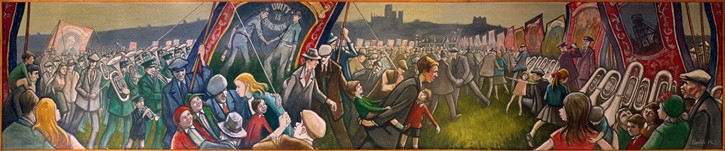
Inside Bishop Auckland Town Hall you will find one of Norman Cornish's most beloved pieces - The Miners’ Gala mural
One day, working at the coal- face Noramn was summoned to receive an important telephone call from Durham County Council to commission a Mural typifying life in the county for the new county hall.
Norman was granted ‘leave of absence’ for twelve months, without pay for the comission, which sadly confirmed his view that the miners were treated like slaves. The commission was conducted in secrecy and he was given permission to use a former church hall as a studio although it was draughty and without heating.
The piece is on display alongside a stunning stained-glass feature by fellow local artist Tom McGuinness.
Kynren - An Epic Tale of England
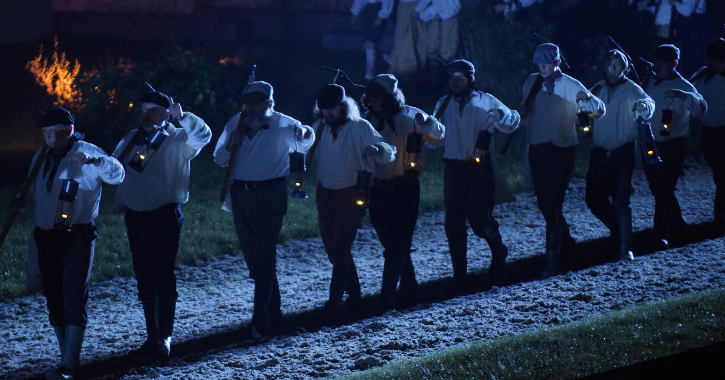
Durham’s mining story is brought to life in spectacular fashion at Kynren – An Epic Tale of England in Bishop Auckland (various dates July - September). This award-winning outdoor show weaves together 2,000 years of history and includes scenes celebrating the industries and communities that shaped Durham.
One of the show’s standout moments is a vibrant tribute to the Durham Miners’ Gala, honouring generations of miners and the lasting legacy of coal mining in the North East. Through music, dance and dramatic storytelling, Kynren brings this important chapter of Durham’s history to life for modern audiences.
A visit to Kynren is the perfect addition to any mining heritage itinerary, offering a unique and memorable celebration of the people, traditions and industries that helped shape Durham.
Discover Norman Cornish at The Bowes Museum
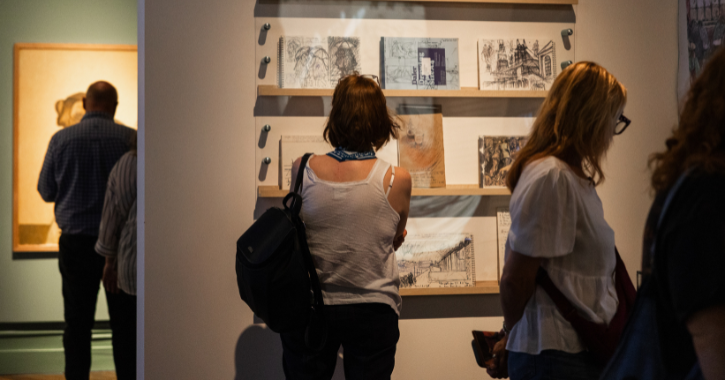
Gain a fascinating insight into the life and work of one of the North East’s most beloved artists at Norman Cornish: A Life in Sketchbooks at The Bowes Museum. Focusing on the sketchbooks that accompanied Cornish throughout his career, the exhibition showcases drawings, paintings and watercolours alongside the preparatory sketches that inspired them.
Born and raised in the Durham coalfield, Cornish filled 269 sketchbooks during his lifetime, capturing everyday life in mining communities with warmth, humour and remarkable attention to detail. This exhibition offers a rare glimpse into his creative process, revealing how careful observation and quick sketches evolved into some of his most celebrated works.
Visitors can also see Sarah Peeling Potatoes, a significant new acquisition for The Bowes Museum, and explore the artist's enduring connection to the people, places and traditions of Durham's mining communities.
Follow Durham’s Mining Heritage Through Ray Lonsdale’s Sculptures
Durham’s mining heritage is also reflected in the striking steel sculptures of Durham-born artist Ray Lonsdale. Found across former pit villages and mining communities, many of his works pay tribute to the people whose lives were shaped by the coal industry.
Among the most poignant are The Last Shift in Wheatley Hill, which commemorates the end of an era for Durham’s miners, Heritage Blues in Brandon, depicting a miner testing for air with a safety lamp, and The Village Remains in South Hetton, a moving tribute to generations of colliery workers. Visitors can also discover Bonnie Pit Lad in Wheatley Hill and Then Gone in Seaham, both celebrating the resilience and legacy of Durham’s mining communities.
Together, these powerful sculptures create an open-air trail through the county, offering a unique way to explore Durham’s industrial past and remember the communities that helped shape the region.
.png)
Related
Comments
Comments are disabled for this post.